What the Repair Total Covers
Start by asking what the proposed total pays for, then separate the plumbing work from anything beyond the pipe. That order helps you judge whether a charge belongs to the repair itself or to a different task. For a West Jordan home, the useful cost discussion is tied to the work planned for that property, not a generic figure that may describe a different job.
A price can be hard to assess if the work is described only as “fix the leak.” Ask whether the plan covers finding the failed section and restoring the water line, and whether any other task is included. A small business in West Valley City near Decker Lake may need the same clarity as a house in West Jordan: the total should have a clear connection to the work being authorized.
Labor and Compatible Parts
Labor charges should make the work understandable. Ask which tasks the labor covers, such as locating the damaged section, preparing the connection, and completing the repair. If the explanation groups every task under one broad label, you may not be able to tell what the proposed work includes. At a West Jordan property or a storefront near the Utah Cultural Celebration Center, a plain description helps you connect the charge to the repair.
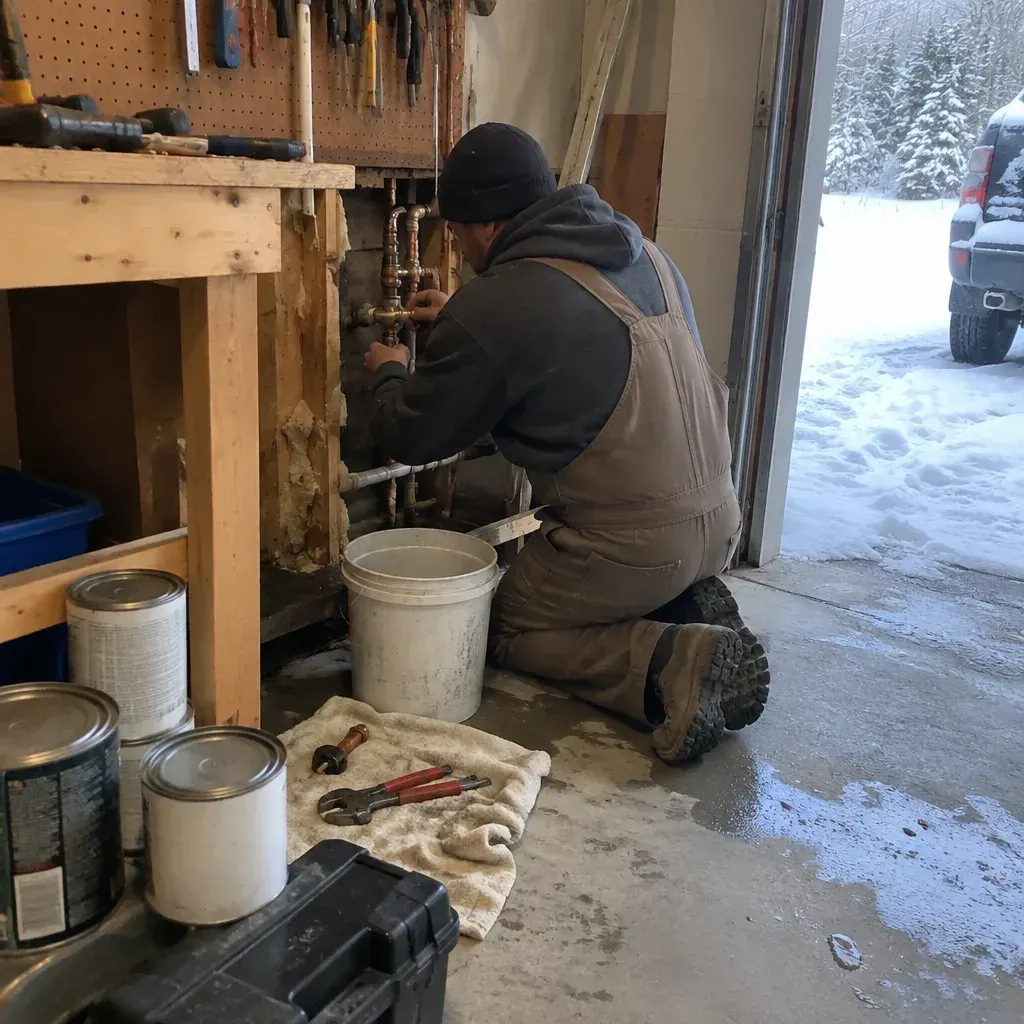
Parts have their own role in the pipe repair price. The condition of nearby pipe can also affect how much preparation the repair needs. Ask what type of parts the work calls for and why they match the installed system. That gives you a practical way to review the materials charge without guessing from a part name alone.
Separate Plumbing From Restoration
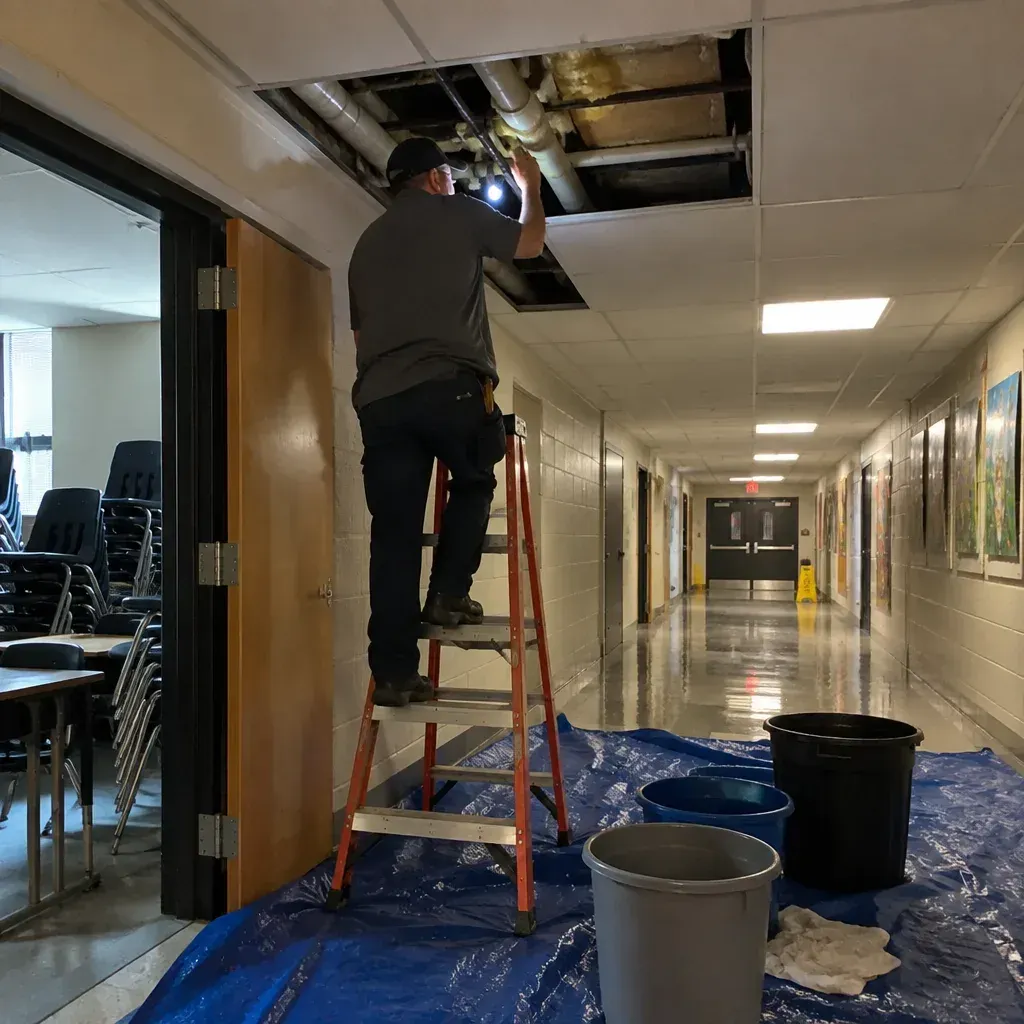
Keep plumbing charges separate from work on wet walls, floors, or stored goods. The plumber’s work addresses the water line; removing water, drying materials, and rebuilding finishes may involve another provider. If a house in West Jordan or a shop near Hale Centre Theatre has water damage, ask which tasks are part of the pipe repair and which belong to restoration. That distinction helps prevent one service from being mistaken for another.
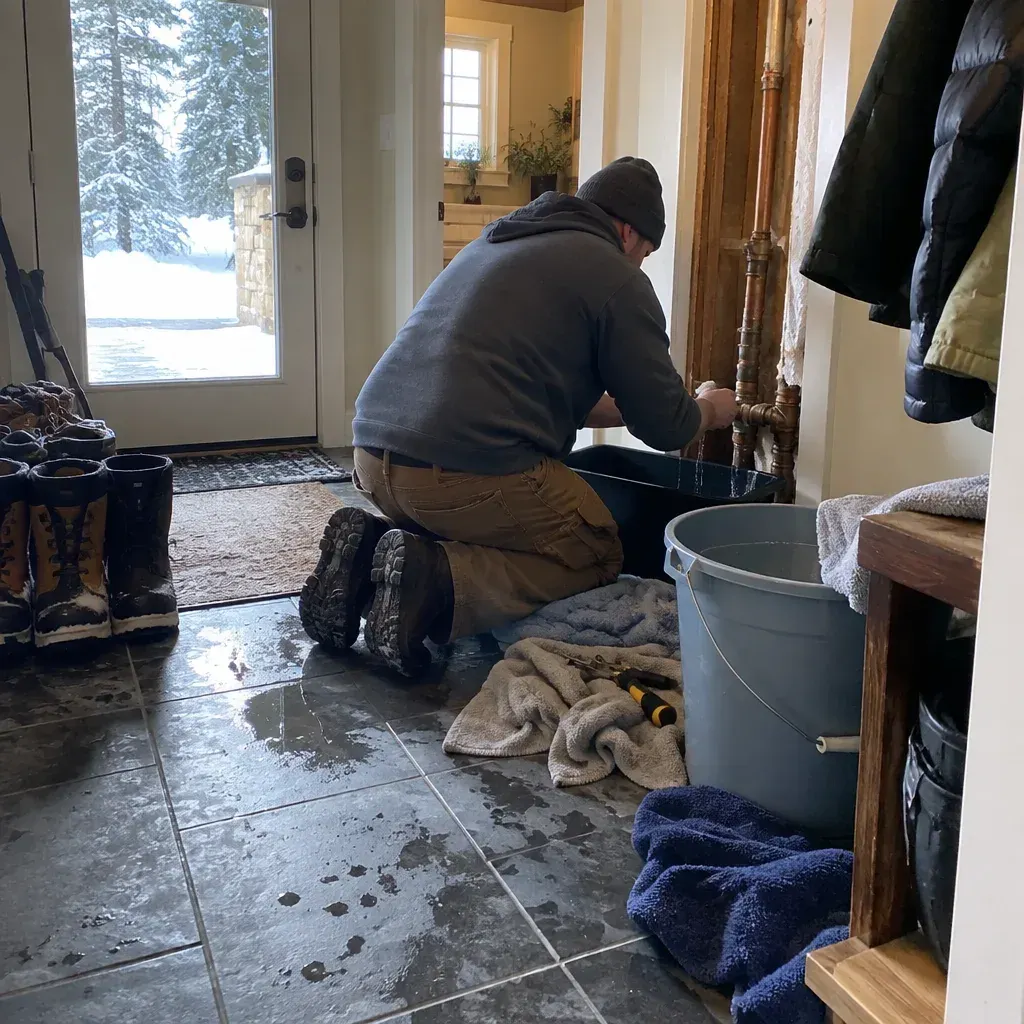
The proposed repair should identify the section of pipe being addressed and the intended result. If access to a concealed line is needed, ask what opening is required and whether closing or refinishing that area is included. A leak can disrupt a household or interrupt a small business, so clear limits on the plumbing task help you avoid approving work whose purpose you do not understand.
Questions Before You Approve
Before approving the work, read each charge beside the task it supports. Ask what the labor covers, what materials are planned, and whether any additional work has a separate purpose. A written scope can help keep the agreed tasks clear if the plan changes. This gives you a chance to resolve unclear charges before work begins, rather than discovering that you understood the scope differently.
A clear description of the problem gives the estimate useful context. What parts will be used, and why do they fit this line? Does the proposed amount include only plumbing, or also work on the surrounding area? For a West Jordan property, those answers help you understand what you are paying for and what may still need attention afterward.
Dealing with a burst pipe in your home?
A musty odor or bubbling paint can signal trapped moisture even when the pipe itself is out of sight. Move nearby belongings away from damp surfaces when safe to help limit water damage. When calling the pros we connect you with, ask whether they can take the job, when a visit might fit, and whether a visit charge applies. For directions, Hale Centre Theatre, Decker Lake, or Copperton Historic District can help clarify a route. Pipe repair addresses the line; extraction and drying may require another provider.